
Column Attach Services
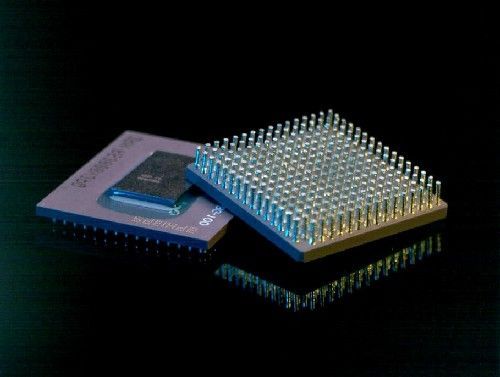
CGA Components
Industry-Leading Column Attach Expertise Since 1998
For more than 25 years, Six Sigma Microelectronics has specialized in the manufacture and attachment of copper-reinforced solder columns for some of the world's most demanding electronic applications. Since introducing our Column Attach Services in 1998, we have successfully processed more than 250,000 Column Grid Arrays (CGAs) and Ceramic Column Grid Arrays (CCGAs) supporting aerospace, defense, satellite, military, medical, and other mission-critical programs.
Our experience spans prototype development, engineering qualification, environmental testing, low-volume flight hardware, and full-rate production manufacturing. Combined with decades of process refinement and continuous investment in proprietary tooling and manufacturing techniques, Six Sigma Microelectronics has become a trusted source for Column Grid Array Services, CGA Column Attach, CCGA Processing, and BGA-to-CGA conversion.
Today, our customers rely on Six Sigma Microelectronics not only as a manufacturing partner, but as a recognized authority in solder column technology, board-level reliability, and high-reliability electronic component processing.
CGA Components
The Origins of Solder Column Technology
The development of Column Grid Array technology began as electronic systems grew larger, more powerful, and increasingly susceptible to failures caused by thermal expansion mismatch between component packages and printed circuit boards.
During the 1980s and early 1990s, engineers at IBM and Raychem pioneered compliant solder column interconnect technology to address the limitations of conventional solder ball attachments. Traditional Ball Grid Array (BGA) solder spheres often experienced fatigue-related failures when subjected to repeated thermal cycling, particularly when large ceramic packages were mounted to organic printed circuit boards.
To overcome this challenge, compliant solder columns were developed to replace conventional solder balls. The additional stand-off height and flexibility provided by the solder columns allowed the interconnect structure to absorb thermal expansion stresses more effectively, significantly improving board-level reliability.
The resulting Ceramic Column Grid Array (CCGA) technology quickly gained acceptance throughout the aerospace, defense, military, and satellite industries, where long operational lifetimes and harsh environmental conditions demanded superior reliability.
Over the following decades, Column Grid Arrays became one of the most widely accepted packaging technologies for mission-critical electronic systems operating in extreme thermal and mechanical environments.
Why Engineers Choose Column Grid Arrays
Modern electronic assemblies routinely experience thermal cycling during manufacturing, testing, storage, transportation, and field operation. As component packages and printed circuit boards expand and contract at different rates, stresses develop within the package-to-board interconnections.
Conventional solder balls can be vulnerable to fatigue failures under these conditions. Column Grid Arrays provide a more compliant interconnect structure capable of accommodating these stresses while maintaining electrical and mechanical integrity.
The benefits of CGA and CCGA technology include:
- Enhanced thermal cycling performance
- Improved board-level reliability
- Increased package stand-off height
- Greater interconnect compliance
- Reduced solder joint stress
- Improved resistance to fatigue failures
- Proven performance in harsh environments
- Extensive aerospace and defense flight heritage
These advantages have made Column Grid Arrays the preferred interconnect technology for many high-reliability electronic applications.
The Evolution to Copper-Reinforced Solder Columns
While traditional Sn10-Pb90 solder columns represented a significant advancement over conventional solder balls, continued improvements in package size, power density, and mission life created demand for even greater interconnect reliability.
Engineers recognized that while solder provides excellent compliance, it can be susceptible to creep deformation and fatigue accumulation during prolonged thermal cycling. To further improve reliability, reinforced solder column designs were developed to combine the flexibility of solder with the structural benefits of a metallic reinforcement.
This evolution led to the development of copper-reinforced solder column technology, which provides additional mechanical stability while maintaining the compliance necessary to absorb thermal stresses.
For aerospace and defense systems expected to operate for decades, these improvements can have a significant impact on long-term reliability and mission success.
Why Genuine Six Sigma Solder Columns® Are Different
Since the late 1990s, Six Sigma Microelectronics has focused exclusively on the manufacture and installation of copper-reinforced solder columns for high-reliability electronic applications.
Unlike conventional Sn10-Pb90 solder column designs, genuine Six Sigma Solder Columns® incorporate a precision solder core wrapped with a helical copper ribbon that combines the compliance of solder with the strength, stability, and durability of copper while providing both mechanical and electrical redundancy.
The helical copper reinforcement helps maintain structural integrity throughout repeated thermal cycling while preserving the compliance necessary to accommodate package-to-board expansion mismatches. The result is a robust interconnect specifically engineered for demanding aerospace, defense, and space applications.
Numerous customer-sponsored board-level reliability studies have demonstrated that genuine Six Sigma Solder Columns® consistently outperform conventional Sn10-Pb90 solder column designs during thermal cycling testing. These studies have shown improved fatigue resistance, extended interconnect life, and enhanced board-level reliability across a wide range of package types and operating conditions.
Key benefits of genuine Six Sigma Solder Columns® include:
- Superior thermal cycling performance
- Improved board-level reliability
- Enhanced resistance to solder fatigue
- Mechanical and electrical redundancy
- Greater dimensional stability
- Improved coplanarity control
- Consistent stand-off height
- Reduced package-to-board stress
- Proven performance in aerospace and defense applications
Today, genuine Six Sigma Solder Columns® are trusted by leading aerospace contractors, defense manufacturers, satellite integrators, and government agencies where reliability margins are measured in years of service life. With more than 200 million genuine Six Sigma Solder Columns® manufactured to date, Six Sigma Microelectronics has established a proven track record in the world's most demanding applications.
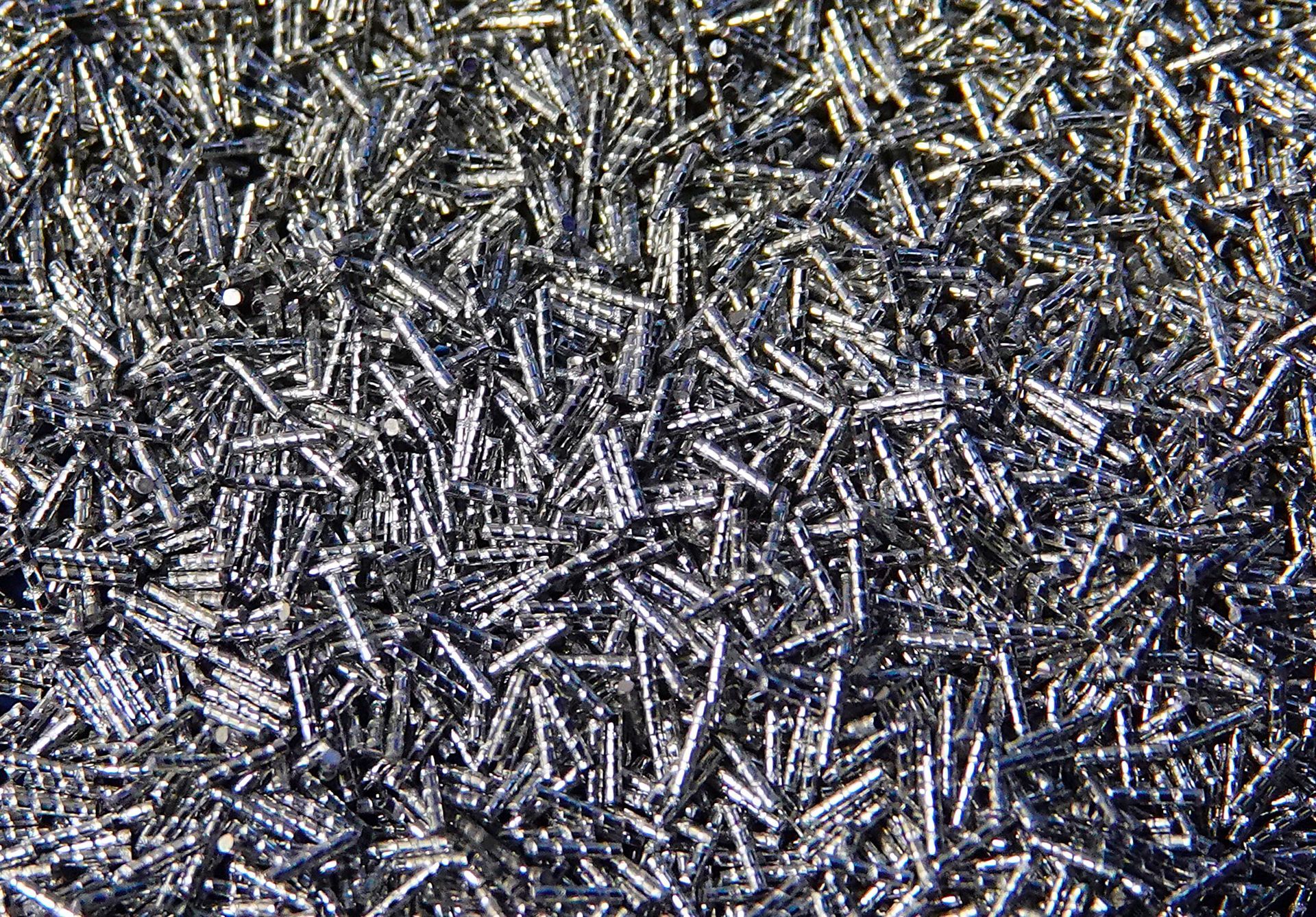
Over 200 million Six Sigma Solder Columns® manufactured
Image Placeholder
Precision Column Attach Services
Successful Column Attach processing requires far more than simply attaching solder columns to a package. Achieving a reliable Column Grid Array demands precise control of column geometry, attachment integrity, coplanarity, alignment, solder volume, and process repeatability.
Six Sigma Microelectronics has developed specialized manufacturing processes designed specifically for high-reliability Column Attach applications.
Our capabilities include:
- Ceramic Column Grid Arrays (CCGA)
- Column Grid Arrays (CGA)
- BGA-to-CGA Conversion
- Copper-Reinforced Solder Columns
- Prototype Development
- Engineering Qualification Builds
- Flight Hardware Processing
- Production Manufacturing
- Aerospace and Defense Programs
Each project is reviewed by experienced personnel to ensure compatibility with customer requirements, reliability objectives, and end-use environments.
Proven Flight Heritage
Reliability is ultimately demonstrated through successful field performance.
For more than two decades, Column Grid Arrays processed by Six Sigma Microelectronics have supported systems operating in some of the most demanding environments imaginable. Our Column Attach Services have contributed to applications including:
- Satellite electronics
- Spaceflight hardware
- Military avionics
- Defense communications systems
- Radar platforms
- Guidance and navigation systems
- Aerospace electronics
- Missile systems
- High-performance computing systems
The extensive operational history of both CGA technology and genuine Six Sigma Solder Columns® provides customers with confidence that their assemblies are built upon a proven interconnect platform with decades of successful service history.

Image Placeholder
Manufacturing Excellence and Process Control
High-reliability electronics require disciplined manufacturing processes supported by rigorous quality controls.
Every Column Attach project benefits from:
- Precision column placement and alignment
- Controlled attachment processes
- Coplanarity verification
- Visual and dimensional inspection
- Process traceability
- Engineering review and support
- High-reliability workmanship standards
- Controlled manufacturing documentation
These controls help ensure consistent performance from prototype development through environmental qualification and production manufacturing.
More Than 250,000 Column Grid Arrays Processed
Few organizations possess the combination of manufacturing experience, process knowledge, reliability expertise, and flight heritage that Six Sigma Microelectronics has developed since 1998.
With more than 250,000 successfully processed Column Grid Arrays and decades of proven performance supporting aerospace, defense, and space programs, Six Sigma Microelectronics remains a trusted partner for Column Attach Services, CGA Column Attach, CCGA Processing, BGA-to-CGA Conversion, Copper-Reinforced Solder Column Manufacturing, and High-Reliability Electronic Component Modification.
Whether you are qualifying new hardware for flight applications, converting an existing BGA package to a Column Grid Array, or seeking a proven supplier for production Column Attach Services, our engineering and manufacturing teams can help identify the optimal solution for your program.
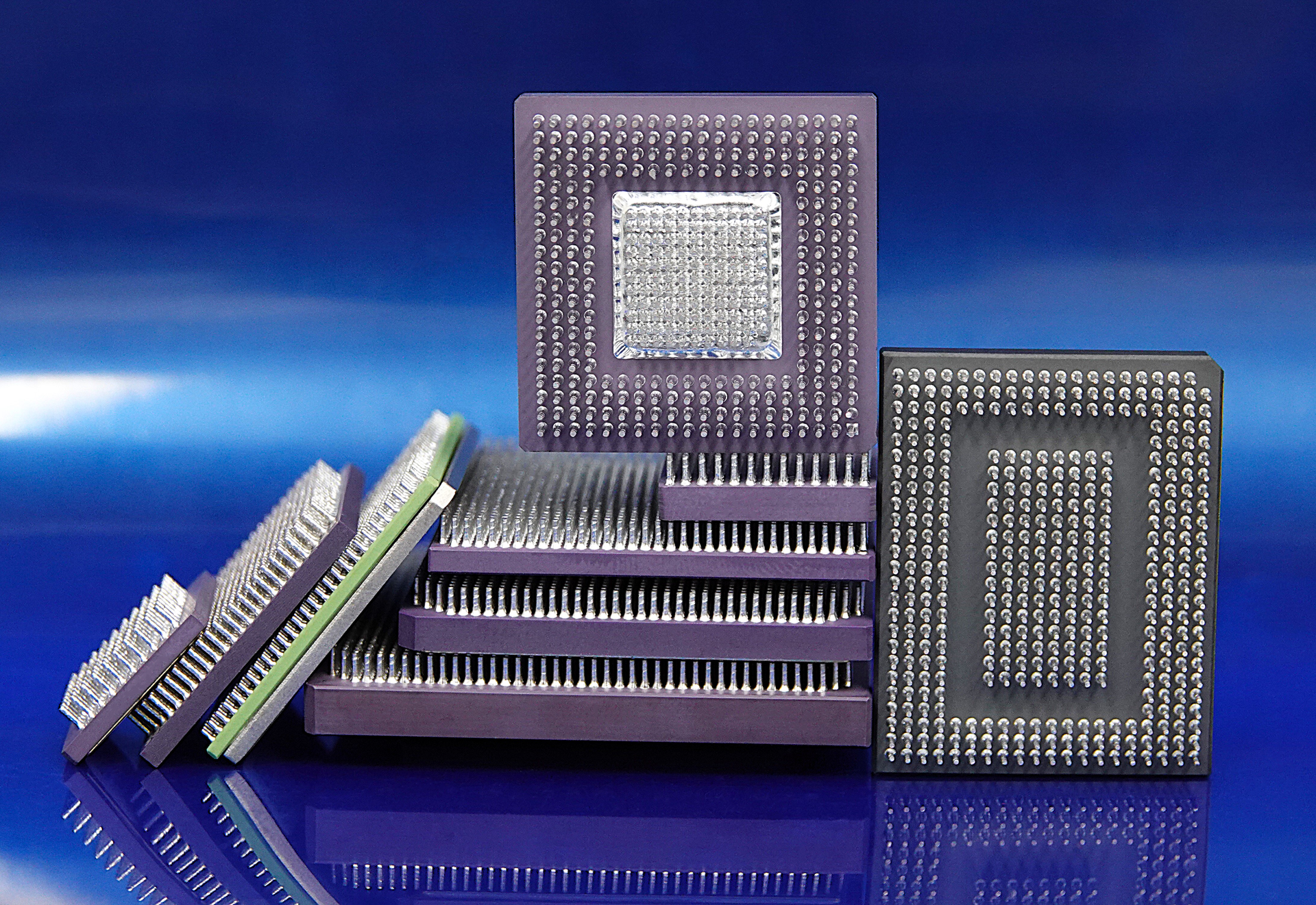
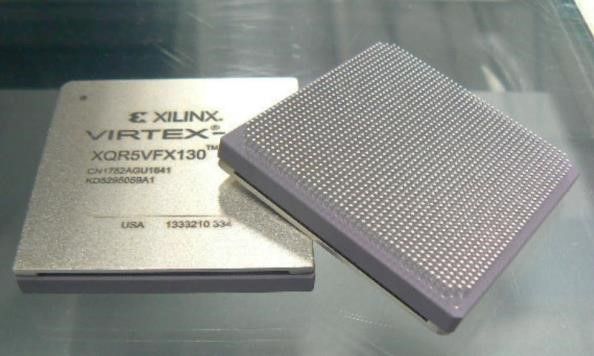
Examples of CGA devices processed by Six Sigma